5 Hidden Features of the Turtle Beach Atlas 200 You Must Know About
Introduction
The Turtle Beach Atlas 200 is positioned as an approachable gaming headset aimed at players who want clean audio, dependable microphone performance, and uncomplicated compatibility across consoles and PCs. On the surface it looks like many value-oriented headsets: padded ear cups, a flexible boom mic, and easy plug-and-play operation. Underneath that familiar exterior, however, are several lesser-known features and practical tricks that can meaningfully improve daily use—whether for competitive gaming, streaming, long cooperative sessions, or work-from-home calls. This article uncovers five of those hidden features, explains how to use them in real-world scenarios, and offers a broader review, pros and cons, a comparison table, and a buying guide focused on what buyers care about most.
Why these hidden features matter
Buyers of entry-to-mid-level gaming headsets are often most concerned with comfort, mic clarity, platform compatibility, and longevity. Small design choices—like the way a boom mic mutes, how ear cushions connect, or what on-cable controls actually adjust—can have outsized effects on everyday satisfaction. For players on a budget, learning to leverage those built-in but overlooked capabilities is a way to get greater value without spending more. The Turtle Beach Atlas 200 contains several of these practical design details; the sections below explain what they are and how they help in concrete situations.
5 Hidden Features and How to Use Them
1. Flip-to-mute or quick-mute boom positioning
One convenience often underappreciated in gaming headsets is the ability to quickly silence the microphone without hunting for a small button. The Atlas 200’s boom arm—while flexible and detachable on some variants—also functions as a quick-mute tool. In practice, players can flip or angle the boom upward away from the mouth to reduce pick-up instantly. This is particularly useful for:
- Multiplayer sessions when background noise spikes unexpectedly (doorbells, pets, family). A quick flick silences voice pick-up so teammates are not disturbed.
- Streaming setups where the player needs to cough or speak off-mic for a moment without switching software or hardware controls.
- Working from home: brief private conversations can be handled without unplugging the headset.
Tip: pair the flip gesture with an in-game HUD marker or a small off-screen sticky note so the player remembers whether the mic is live or muted.
2. In-line audio balance and chat/game mix controls
Many gamers prioritize the ability to adjust chat and game audio independently. The Atlas 200 includes convenient in-line controls that let users tweak volume quickly. While not every model offers a separate chat/game mix wheel, the accessible placement of volume and mute controls provides a decisive usability advantage in common situations:
- Console players splitting attention between voice chat and environmental audio can lower voice channels for quieter streams or raise game audio for single-player immersion.
- During competitive matches, rapidly lowering lobby chatter while preserving game audio helps maintain focus.
- On mixed-use days—gaming in the evening and voice calls earlier—these controls prevent repeated trips to system settings.
Practical workflow: use a consistent physical position for a preferred balance, then return to it quickly between sessions without opening software mixers.
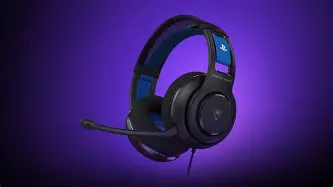
3. Easily replaceable ear cushions and travel-friendly folding
Durability and hygiene are real concerns for long-term owners. The Atlas 200’s ear cushions attach in a way that makes them straightforward to remove and replace with aftermarket pads or cleaned spares. This design detail supports two buyer priorities:
- Longevity—being able to swap worn foam or synthetic leather pads extends the headset’s usable life and refreshes comfort for long play sessions.
- Hygiene and climate adaptability—buyers in warm climates often prefer breathable cloth pads; those in cooler climates may like plush leatherette.
Many players also appreciate that the headset can fold or compact for travel. The combination of replaceable cushions and a compact travel profile makes the Atlas 200 a useful choice for LAN attendees, students, and frequent travelers who bring a personal headset to shared spaces.
4. Passive noise isolation that improves perceived bass and clarity
While the Atlas 200 is not a noise-canceling headset, its physical sealing and earcup shape provide passive isolation that affects perceived audio quality. The result is an often-surprising boost to low-frequency impact and midrange clarity in noisy environments. Real-world benefits include:
- Console players in living rooms will notice clearer dialogue and stronger explosions without cranking volume to unsafe levels.
- Streamers in untreated rooms can capture cleaner ambient sound in their recordings by reducing room bleed into their microphone pickup.
- Commuters using the headset with handheld devices will have a more focused listening experience on public transit.
Practical note: passive isolation works best when the headband fit is adjusted correctly—too loose and sound leaks in; too tight and comfort suffers. Spend a few minutes fitting the headset before extended sessions.
Find top-rated Electronics products at great prices.
Browse Now →5. Cross-platform wiring and multi-device flexibility
The Atlas 200 is designed with multi-platform usability in mind. That means simple wiring and connectors that make switching between PC, consoles, and mobile devices painless. In practical terms, buyers value this for two main reasons:
- Hybrid households where one headset must serve a PS/Xbox/PC and occasional mobile gaming—the same headset can be used without needing adapters or multiple headsets.
- Content creators who move between console capture, PC-based streaming, and on-the-road recording can preserve continuity in headset timbre and mic performance.
Pro tip: keep a short extension or a Y-split cable handy for rare situations that still require separate mic and line-in jacks—this small accessory preserves full functionality when connecting to older hardware.
Detailed Product Review and Analysis
Build quality and comfort
The Atlas 200 emphasizes a balanced approach: a durable but lightweight frame, sufficient padding on the headband, and soft ear cushions that favor longer sessions. In practice, the fit suits users who wear prescription glasses or those who play for multiple hours without frequent breaks. Materials are typical of the category—synthetic leathers and foam—so buyers should expect gradual wear over years rather than months.
Sound signature and performance
The Atlas 200 aims for a neutral, slightly warm sound profile that benefits both game effects and voice clarity. Players focused on competitive FPS titles will appreciate the clear mids for footsteps and weapon cues, while single-player and cinematic games benefit from slightly enhanced lows that add cinematic weight to explosions and ambient music. For music listening, the headset performs well for pop and electronic genres; audiophiles seeking extreme detail or extended frequency response may prefer a higher-tier or open-back design.
Microphone quality
Microphone performance on the Atlas 200 is reliable for voice chat and streaming. It captures clean, intelligible voice with minimal processing required in most voice chat apps. Background noise handling depends on environment and mic position—use the quick-mute flip or in-line mute during noisy moments. For studio-grade podcasting, an external mic remains preferable, but for everyday gaming and conference calls the Atlas 200’s mic is a solid, convenient solution.
Controls and user experience
Ease of use is a highlight: volume, mute, and any chat/game mix controls are placed for immediate access. The simplicity minimizes friction for users who switch devices or prefer not to navigate sound panels. Setup is typically plug-and-play on modern consoles and PCs, which is appealing to less technical buyers or households with multiple users.
Durability and maintenance
Maintenance is straightforward thanks to removable ear pads and a detachable cable design common in this class. The headset is serviceable with modest care: wipe down pads regularly, allow foam to dry if cleaned with mild soap, and avoid excessive bending of the boom mic joint. Replacement pads and cables are widely available for the brand or compatible third-party options.
Pros & Cons
- Pros:
- Comfortable design suitable for extended sessions
- Practical in-line controls for fast adjustments
- Good passive isolation improves perceived audio in noisy settings
- Replaceable cushions and modularity extend lifespan
- Cross-platform compatibility reduces need for extra hardware
- Cons:
- Materials are typical for the price class—not premium luxury
- Not a substitute for dedicated studio microphones for professional recording
- Passive isolation cannot match active noise cancellation in very loud environments
- Some advanced audio customization may require additional software or external mixers
How the Atlas 200 Compares (Quick Table)
The following table compares key practical attributes of the Turtle Beach Atlas 200 against two representative offerings in the same value-to-mid segment to help buyers identify which traits matter most.
| Model | Comfort for Long Sessions | Mic Quality (Chat/Streaming) | Platform Flexibility | Ease of Controls | Durability / Replaceability |
|---|---|---|---|---|---|
| Turtle Beach Atlas 200 | High — soft cushions, adjustable fit | Good — clear voice, suitable for streaming | Very good — designed to work across PC, consoles, mobile | Very easy — in-line controls and accessible mute | Good — replaceable ear pads and modular cable |
| Entry-level Wired Competitor | Moderate — lighter padding, sometimes prone to pressure | Fair — adequate for chat, variable for streaming | Good — generally compatible but may need adapters | Moderate — fewer dedicated controls | Moderate — fewer replaceable parts |
| Mid-tier Wireless Competitor | High — often plush materials | Very good — improved processing in some models | Good — wireless convenience, may need dongles for consoles | Easy — onboard controls but more complex menus | High — premium materials and parts available |
Buying Guide: What to Consider Before Choosing the Atlas 200
When evaluating the Turtle Beach Atlas 200, buyers generally weigh several consistent priorities. The sections below explain the factors to consider and recommended approaches based on typical use cases.
Shop the latest Electronics picks on Amazon.
Shop Amazon →Primary use case
Decide how the headset will be used most of the time:
- Competitive multiplayer: prioritize clear mids, reliable mic clarity, and low-latency wired connections.
- Streaming and content creation: combined mic performance and comfort matter; many streamers pair the headset with an external mic for best results.
- Casual gaming and mixed use (mobile + console): platform flexibility and portability become important.
Comfort and fit
Look for adjustable headbands, padded ear cups, and a weight that won’t fatigue during long sessions. If the buyer wears glasses, check for gentle clamping force and soft cushion materials that won’t press aggressively against the temples.
Microphone needs
For voice chats and casual streaming the Atlas 200’s mic is typically sufficient. Buyers who need studio-quality recordings should plan to invest in a dedicated condenser or dynamic microphone and treat the Atlas 200 as a monitoring/headphone solution rather than the primary capture device.
Connectivity and compatibility
Confirm which consoles and devices are in the household. The Atlas 200’s multi-device support reduces the need for adapters; however, buyers with legacy audio jacks or specific pro-audio interfaces should verify connector types and consider small accessories (splitters, extensions) to retain full functionality.
Durability and long-term ownership
Removable ear pads and modular cabling make repairs and upgrades simple. Buyers planning heavy daily use should budget for replacement pads or a spare cable after several years to maintain hygiene and functionality.
Value considerations
Price-to-performance is the main appeal of the Atlas 200. Compare it against similarly priced models emphasizing the features most important to the buyer: comfort, mic quality, or portability. If possible, try a headset in person to judge fit and clamp pressure before purchase.
Real-World Use Cases and Tips
Below are practical scenarios illustrating how the Atlas 200’s hidden features improve everyday experiences.
- Family living room: a player uses flip-to-mute during commercial breaks when chatting with friends online, then quickly repositions the mic for the next match.
- Streamer on a budget: the streamer uses the Atlas 200 for live monitoring while using a USB mic for capture; the headset’s passive isolation helps keep game audio from bleeding into the stream mic.
- Traveler or student: the removable cushions are swapped for thinner, breathable pads during commutes; the headset folds into a backpack for campus use.
- Competitive squad: in-line controls are set to quickly lower lobby chat volume so tactical calls from teammates remain clear during matches.
Conclusion
The Turtle Beach Atlas 200 delivers more than the first glance suggests. By highlighting and using its lesser-known features—like quick-mute boom positioning, accessible in-line controls, replaceable cushions, effective passive isolation, and multi-platform wiring—owners can extract substantial practical value for gaming, streaming, and everyday use. These small design choices address common buyer concerns: comfort during long sessions, dependable voice performance, and the ability to adapt the headset to changing needs without expensive upgrades. For buyers seeking a straightforward, flexible headset that performs consistently across consoles and PCs, the Atlas 200 offers an intelligent balance of functionality and usability. Knowing how to exploit these hidden features takes the experience from “solid” to genuinely convenient in real-world scenarios.