Head-to-Head: Mfc L2820Dw Dcp L2640Dw Hl L2480Dw vs Ai Robot (Detailed Comparison)
In the contemporary landscape of office technology and automated home maintenance, consumers often find themselves navigating two very different but equally essential categories of hardware: the high-efficiency monochrome laser printer and the intelligent robotic cleaner. While comparing a printer to an AI robot might seem like an apples-to-oranges scenario at first glance, both represent the pinnacle of modern productivity and convenience. For the small business owner, the remote worker, or the tech-integrated household, the choice often comes down to where to allocate a budget for maximum efficiency. This detailed analysis pits the Brother monochrome multi-function series—specifically the MFC-L2820DW, DCP-L2640DW, and HL-L2480DW—against the current generation of AI-driven robotic cleaners, examining how each caters to the modern demand for "smart" automation.
The Evolution of the Modern Workspace and Home
Work-from-home trends have fundamentally shifted what we expect from our electronics. We no longer just want a device that works; we want a device that manages itself. For the Brother printer lineup, this means wireless connectivity that doesn't drop, automatic replenishment services, and high-speed throughput that respects the user's time. For the AI-driven robot, this means sophisticated LIDAR mapping, object recognition that can distinguish between a stray cable and a pet, and self-emptying docks that minimize human intervention. Both are designed to solve the same problem: the removal of repetitive, low-value tasks from the human calendar. Whether it is the physical task of vacuuming a floor or the administrative task of scanning a twenty-page contract, automation is the common thread.
Breaking Down the Brother Monochrome Laser Trio
MFC-L2820DW: The Full-Service Workhorse
The MFC-L2820DW stands as the flagship of this specific monochrome series. Designed for those who require every available tool in a compact footprint, it integrates printing, scanning, copying, and faxing. What sets this model apart is the inclusion of a 50-sheet Automatic Document Feeder (ADF) and a color touchscreen interface. In a real-world small office scenario, the MFC-L2820DW is the center of the document workflow. It is capable of speeds up to 34 pages per minute, ensuring that long reports are ready before you even walk across the room to fetch them. The inclusion of two-sided (duplex) printing as a standard feature highlights Brother’s commitment to paper efficiency and environmental consciousness.
DCP-L2640DW: The Scanning and Copying Specialist
Positioned just below the flagship is the DCP-L2640DW. This model is perfect for users who need the scanning and copying capabilities of an All-in-One but have no need for legacy fax technology. It maintains the 50-sheet ADF, which is a critical feature for anyone who frequently digitizes multi-page documents. The scanning resolution is sharp, capturing fine details in legal documents or handwritten notes with clarity. For educators, researchers, or legal assistants, the DCP-L2640DW offers a more focused utility, stripping away the fax modem to provide a slightly more streamlined experience while retaining the robust build quality the series is known for.
HL-L2480DW: The Compact Print and Scan Solution
The HL-L2480DW represents an interesting evolution of the traditional "printer-only" category. While it lacks the ADF found on its siblings, it features a flatbed scanner, making it a "3-in-1" device (Print, Copy, Scan). This is the ideal unit for the home user who primary prints but occasionally needs to scan a passport, an ID card, or a single sheet of paper. Its smaller height allows it to fit into tight bookshelf spaces or under-desk cabinets where larger units might struggle. Despite its smaller frame, it doesn't compromise on speed, matching the 34-page-per-minute performance of its more expensive counterparts.
The AI Robot: Redefining Autonomous Maintenance
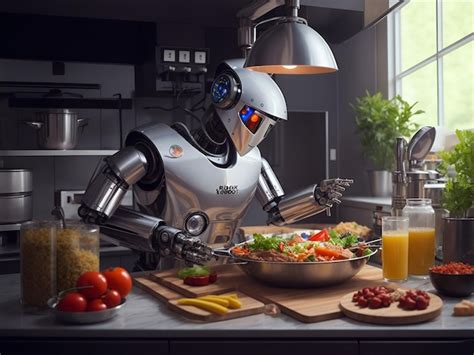
Switching gears to the AI Robot, we enter a world of sensors, algorithms, and physical movement. Unlike the stationary printer, the AI robot's value is defined by its ability to navigate a 3D environment. Modern AI robots utilize Artificial Intelligence to solve the "lost" problem that plagued early robotic vacuums. With integrated cameras and neural networks, these machines can identify furniture, pets, and even specific types of floor debris. This level of intelligence allows the robot to adjust its suction power or mopping intensity dynamically. For the busy professional, the AI robot is a set-it-and-forget-it solution that ensures the physical environment is as pristine as their digital one.
Detailed Comparison: Performance and Utility
When comparing these electronics, we must look at how they handle their respective "inputs." For the Brother printers, the input is paper and digital data. They must process these accurately and without jams. For the AI robot, the input is the physical space of the home or office. It must process this space without getting stuck or damaging furniture. Both devices rely heavily on software integration; Brother uses the iPrint&Scan app to enable mobile productivity, while the AI robot relies on a dedicated app for floorplan mapping, no-go zone setting, and scheduling.
Find top-rated Electronics products at great prices.
See Deals →Pros and Cons of the Brother Monochrome Series
- Pro: High Speed and Reliability. With print speeds of 34-36ppm, these machines are built for volume and speed that inkjet printers cannot match.
- Pro: Low Operating Costs. Monochrome laser technology remains the most cost-effective way to print black-and-white documents, with high-yield toner cartridges lasting for thousands of pages.
- Pro: Robust Wireless Support. Dual-band Wi-Fi (2.4GHz/5GHz) ensures that the printers stay connected even in environments with heavy signal interference.
- Con: Monochrome Only. These units cannot print in color, which may be a deal-breaker for those who occasionally need to print photos or color charts.
- Con: Size and Weight. While compact for laser printers, they are still substantial pieces of hardware that require dedicated desk space.
Pros and Cons of the AI Robot
- Pro: Total Autonomy. Once mapped, the robot requires very little human interaction, especially models with self-emptying and self-washing bases.
- Pro: Improved Air Quality. Constant, scheduled cleaning helps reduce allergens and dust in the environment, which is a significant health benefit.
- Pro: Advanced Mapping. AI-driven LIDAR and vision systems allow for incredibly precise navigation and the ability to work in the dark.
- Con: Maintenance Requirements. Beneath the automation, there are brushes to clean, filters to change, and sensors to wipe down periodically.
- Con: High Initial Investment. Premium AI robots with advanced obstacle avoidance and base stations often carry a significant price tag compared to standard cleaning tools.
Comparison Table: Specification Overview
| Feature | MFC-L2820DW | DCP-L2640DW | HL-L2480DW | AI Robot (Standard Premium) |
|---|---|---|---|---|
| Primary Function | Print/Scan/Copy/Fax | Print/Scan/Copy | Print/Scan/Copy | Vacuum/Mop/Navigate |
| Speed/Coverage | 34 ppm | 34 ppm | 34 ppm | Standard Room in 15-20 mins |
| Connectivity | Wi-Fi, Ethernet, USB | Wi-Fi, Ethernet, USB | Wi-Fi, USB | Wi-Fi, App Control |
| Automation Level | High (50-sheet ADF) | High (50-sheet ADF) | Medium (Flatbed only) | Very High (Fully Autonomous) |
| Space Required | Medium Desk Space | Medium Desk Space | Small Desk Space | Floor Space (Docking Station) |
| Best Use Case | Heavy Admin/Office | Moderate Admin/Education | Home Office/Student | Home/Large Office Floors |
Buying Guide: Which Technology Deserves Your Investment?
Choosing between upgrading your document infrastructure with a Brother laser printer or investing in a robotic cleaning solution requires an assessment of your daily "friction points." In this guide, we examine the specific scenarios that dictate which device will provide the highest return on investment.
Analyzing Your Workflow
If your daily life involves the management of physical documents—taxes, legal contracts, school assignments, or shipping labels—the Brother MFC-L2820DW or its siblings are non-negotiable. The frustration of a slow or unreliable printer can derail a productive morning. Laser technology is preferred for its "instant-on" capability and the fact that toner does not dry out like ink. If you find yourself frequently scanning multi-page documents to PDF, the ADF on the L2820DW or L2640DW will save several hours of manual labor over the course of a year. This is the definition of "administrative automation."
Analyzing Your Home Environment
If you spend your weekends catching up on floor cleaning rather than relaxing or working on high-value projects, the AI Robot is the superior choice. The "AI" aspect is particularly important here. Older robotic vacuums often required "robot-proofing"—picking up every cable and rug fringe. A modern AI robot with object recognition manages itself. This is "environmental automation." For pet owners, the value of an AI robot is doubled, as it manages the constant shedding that would otherwise require daily manual vacuuming.
Space Considerations
The Brother HL-L2480DW is specifically engineered for those who have limited real estate but need a reliable business-grade engine. It is the "stealth" option for a home office. Conversely, an AI Robot requires a specific landing zone. You need about three feet of clear space around the dock for the robot to navigate successfully. When choosing between these, consider whether you have more available desk space or more available floor space.
Real-World Use Cases
The Freelance Creative
A freelance graphic designer or writer might lean toward the HL-L2480DW. They need to print the occasional contract or proofread a manuscript on paper, but their primary focus is their digital work. The compact nature of the HL series keeps their creative space uncluttered. Simultaneously, because they work from home, they may find the noise and distraction of a manual vacuum cleaner intrusive. An AI robot scheduled to run during their lunch break offers a silent, clean environment that fosters creativity.
The Small Business Administrator
For an administrator managing a medical clinic or a law office, the MFC-L2820DW is a mandatory tool. The need to fax insurance forms or scan client IDs is a constant daily requirement. The reliability of the Brother laser engine ensures that the office doesn't grind to a halt due to a paper jam or a "wrong-sized" document. In this professional setting, an AI robot might also be used, but its role is secondary to the primary business function of document processing.
Find top-rated Electronics products at great prices.
Shop Amazon →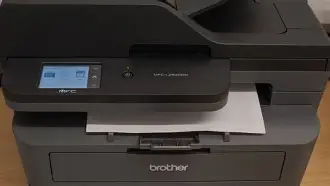
The Modern "Smart Home" Enthusiast
For the tech-forward individual, the comparison is less about "either/or" and more about "integration." They look for the Brother printer that supports Google Drive and Dropbox integration directly from the touchscreen (MFC-L2820DW) and the AI robot that integrates with Amazon Alexa or Google Assistant. Their goal is a cohesive ecosystem where the printer notifies their phone when toner is low, and the robot sends a map of where it cleaned that morning.
Integration and Software Ecosystems
Modern electronics are only as good as the software that controls them. Brother has spent years refining the Refresh EZ Print Subscription, which allows the printer to monitor its own toner levels and ship replacements automatically. This mirrors the subscription models seen in the AI robot world for replacement brushes and filters. This "consumable automation" is a major trend in electronics, shifting the burden of inventory management from the user to the device itself.
The AI robot’s software is arguably more complex, involving computer vision and spatial mapping. The ability to see a floorplan in an app and tell the robot to "clean the kitchen only" because of a spill is a level of granularity that was unthinkable a decade ago. Similarly, the Brother MFC-L2820DW allows for the creation of "Shortcuts" on the touchscreen. A user can create a one-touch button that scans a document, converts it to an OCR-searchable PDF, and uploads it to a specific folder in OneDrive. Both devices use specialized software to turn complex multi-step tasks into simple, single-touch actions.
Conclusion
The comparison between the Brother monochrome laser printer series (MFC-L2820DW, DCP-L2640DW, HL-L2480DW) and the AI Robot highlights a broader trend in consumer electronics: the move toward total task autonomy. The Brother series represents the perfection of a mature technology—monochrome laser printing—optimized for the modern, connected user who demands speed, low costs, and cloud integration. Whether you choose the full-featured MFC-L2820DW for its fax and ADF capabilities, the focused DCP-L2640DW for scanning, or the space-saving HL-L2480DW, you are investing in a pillar of administrative efficiency.
On the other hand, the AI Robot represents the cutting edge of domestic automation. It is a device that perceives, thinks, and acts in the physical world to maintain an environment. While a printer manages your information, a robot manages your space. For many buyers, the ideal setup isn't choosing one over the other, but rather recognizing the different types of labor each one automates. By delegating document management to a reliable Brother laser printer and floor maintenance to an intelligent AI robot, the modern professional can reclaim their most valuable asset: time. In the end, the "winner" of this head-to-head comparison is the user who leverages both technologies to create a truly autonomous and productive lifestyle.